
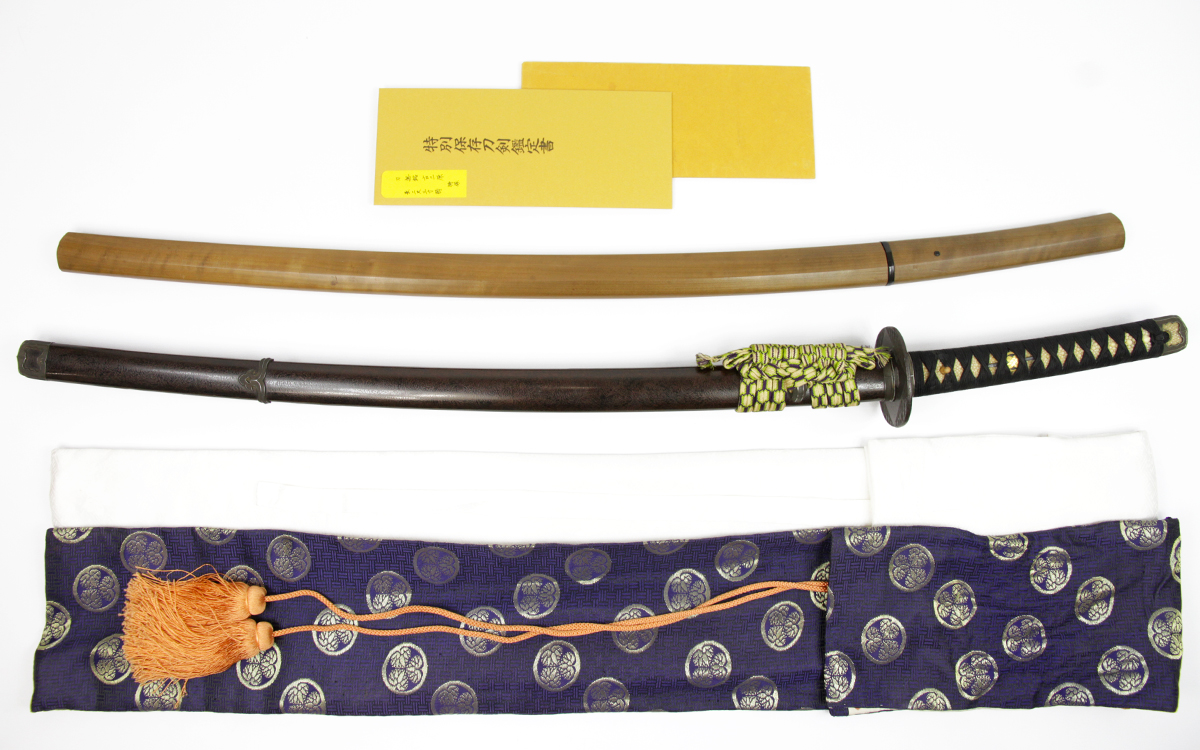
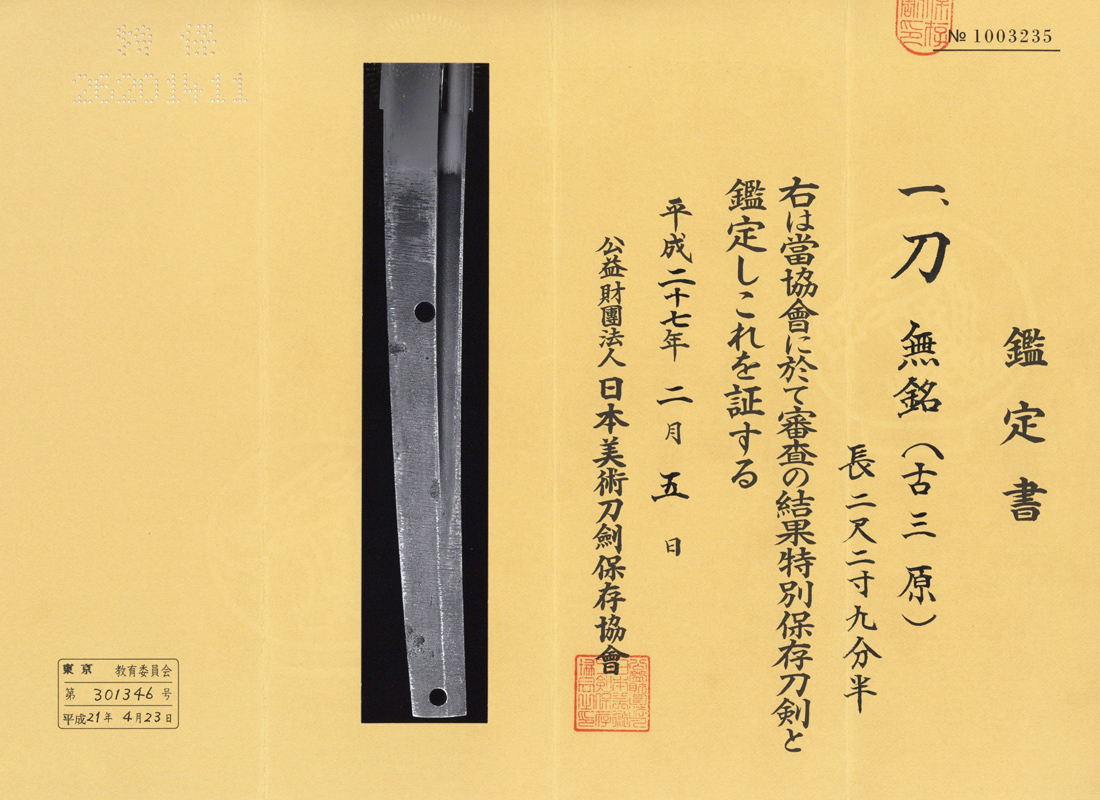
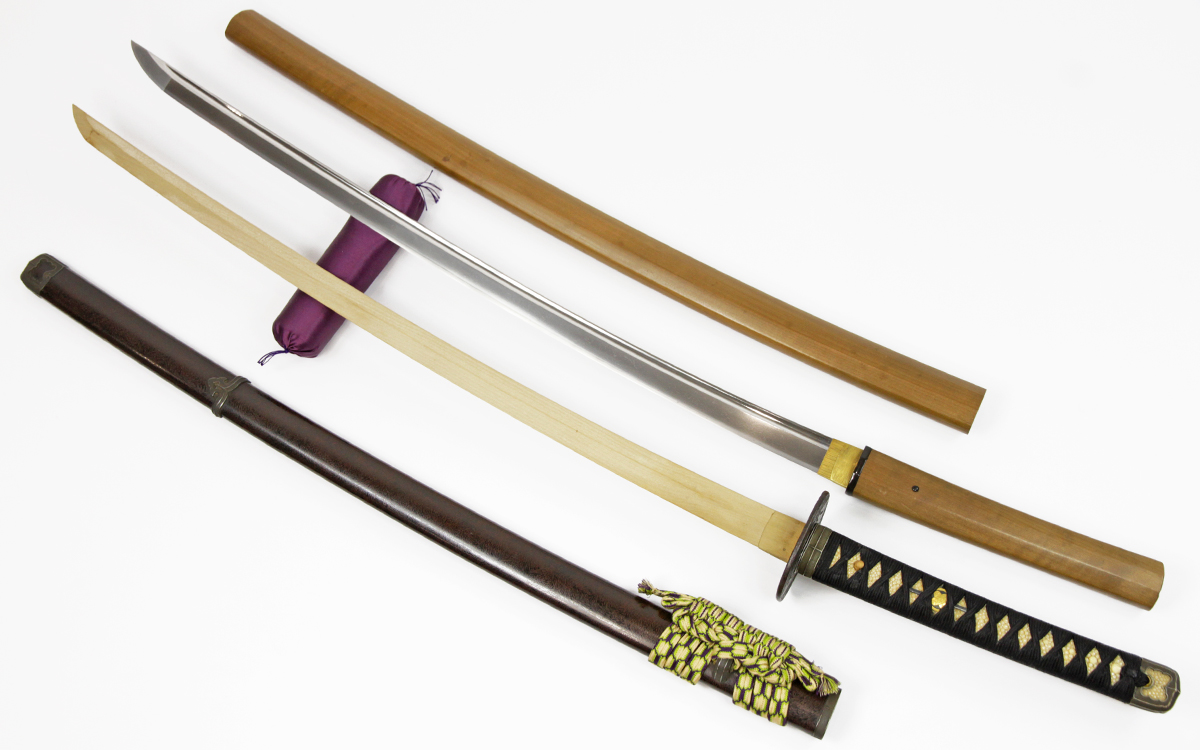
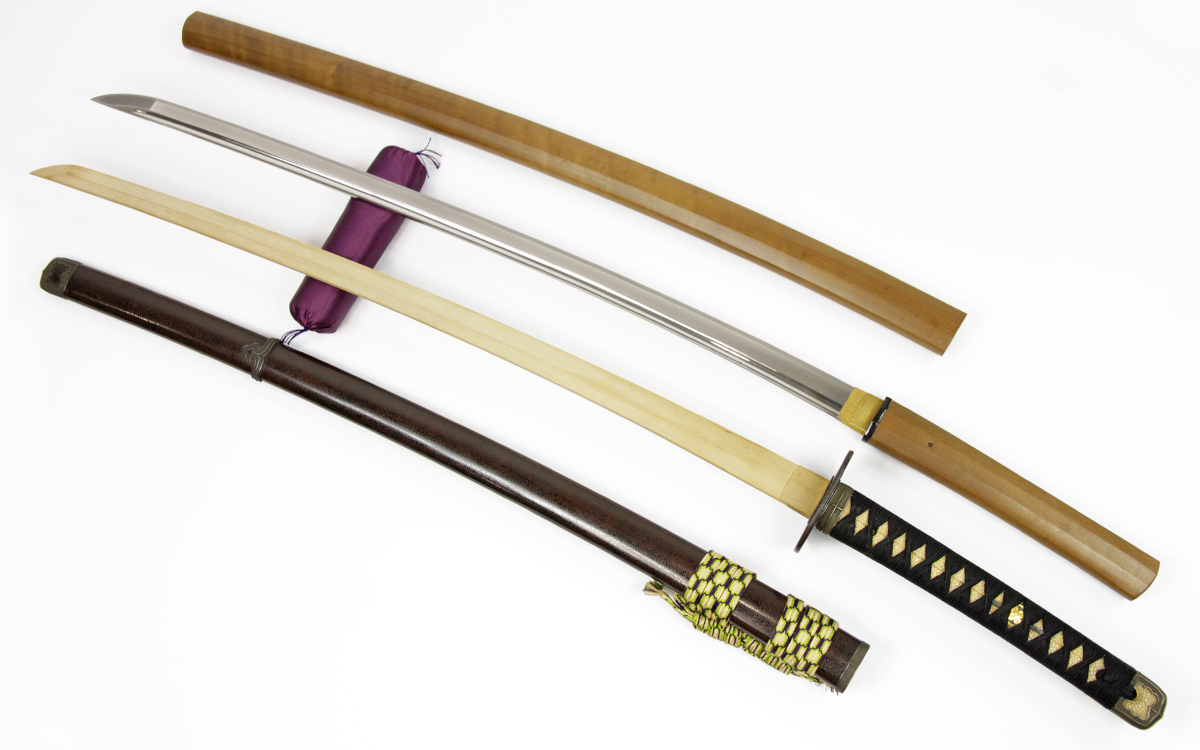
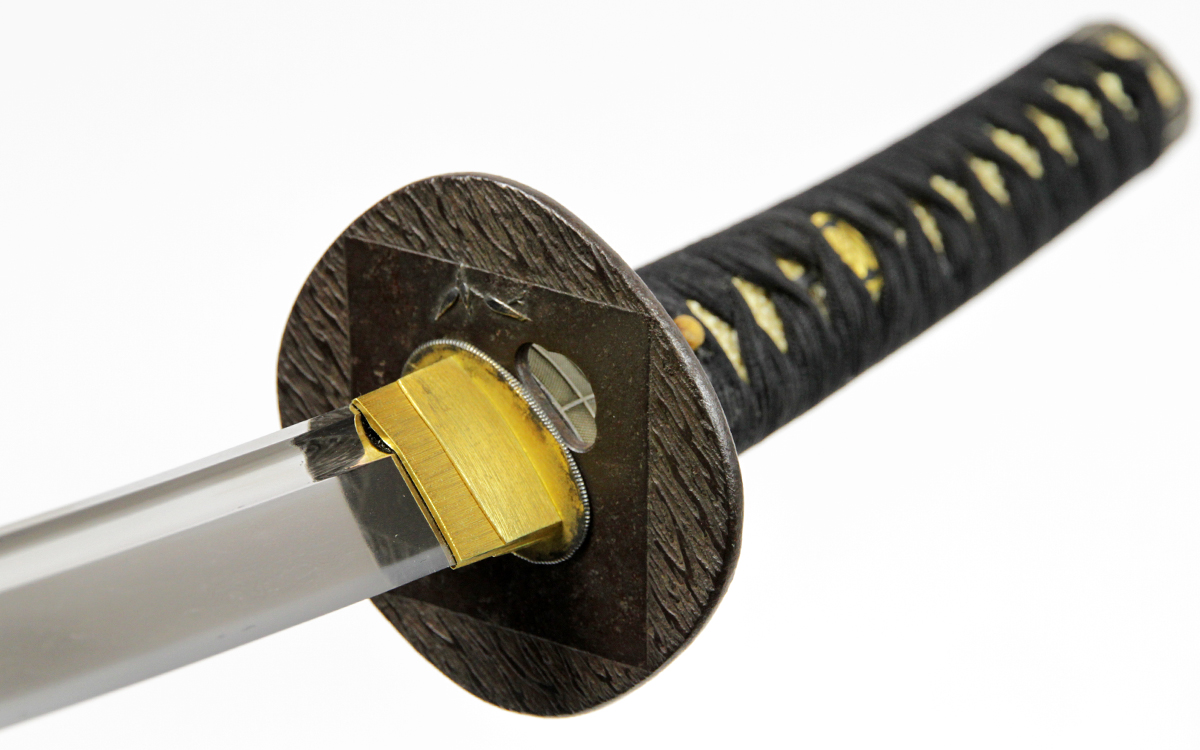
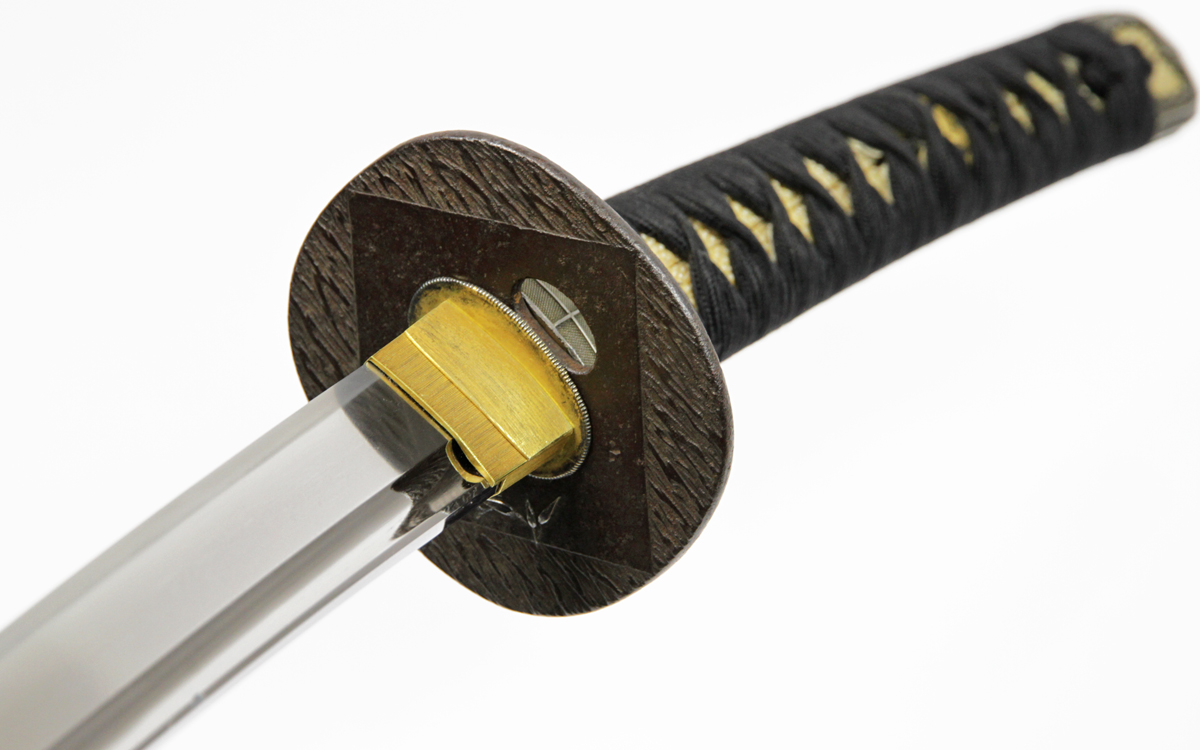
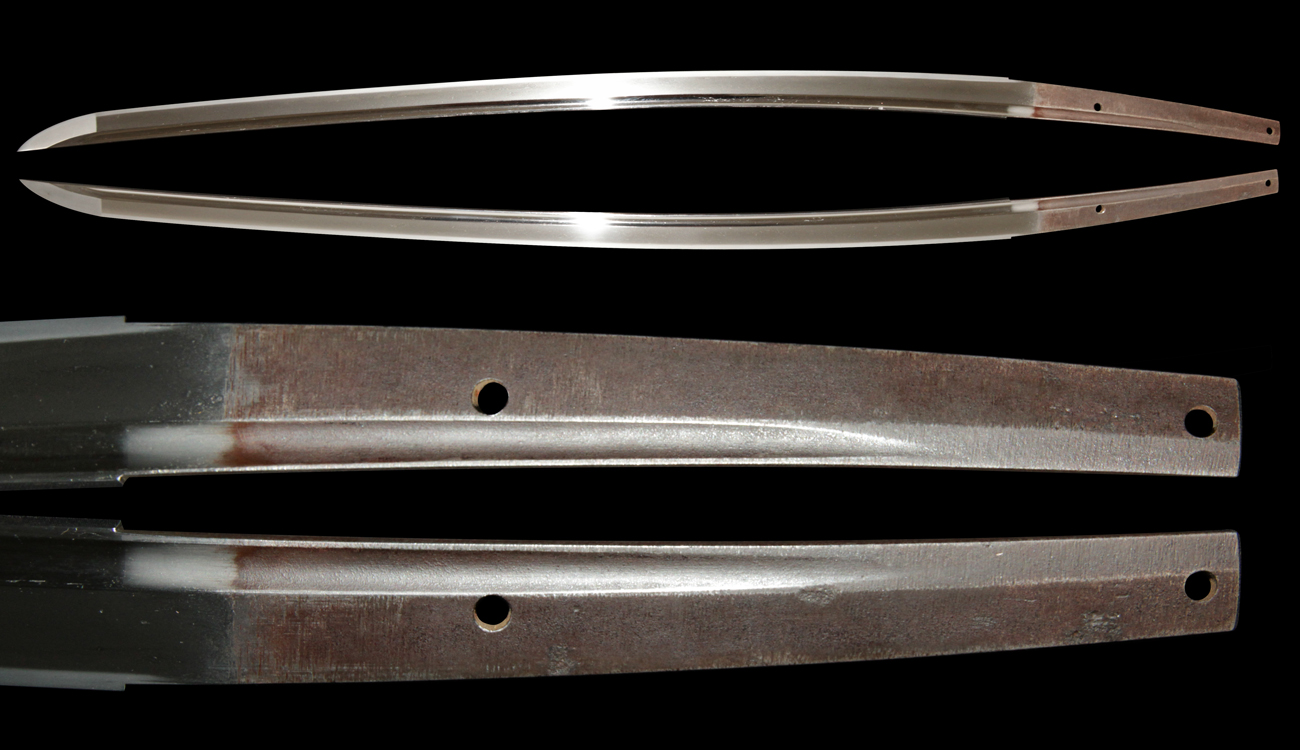
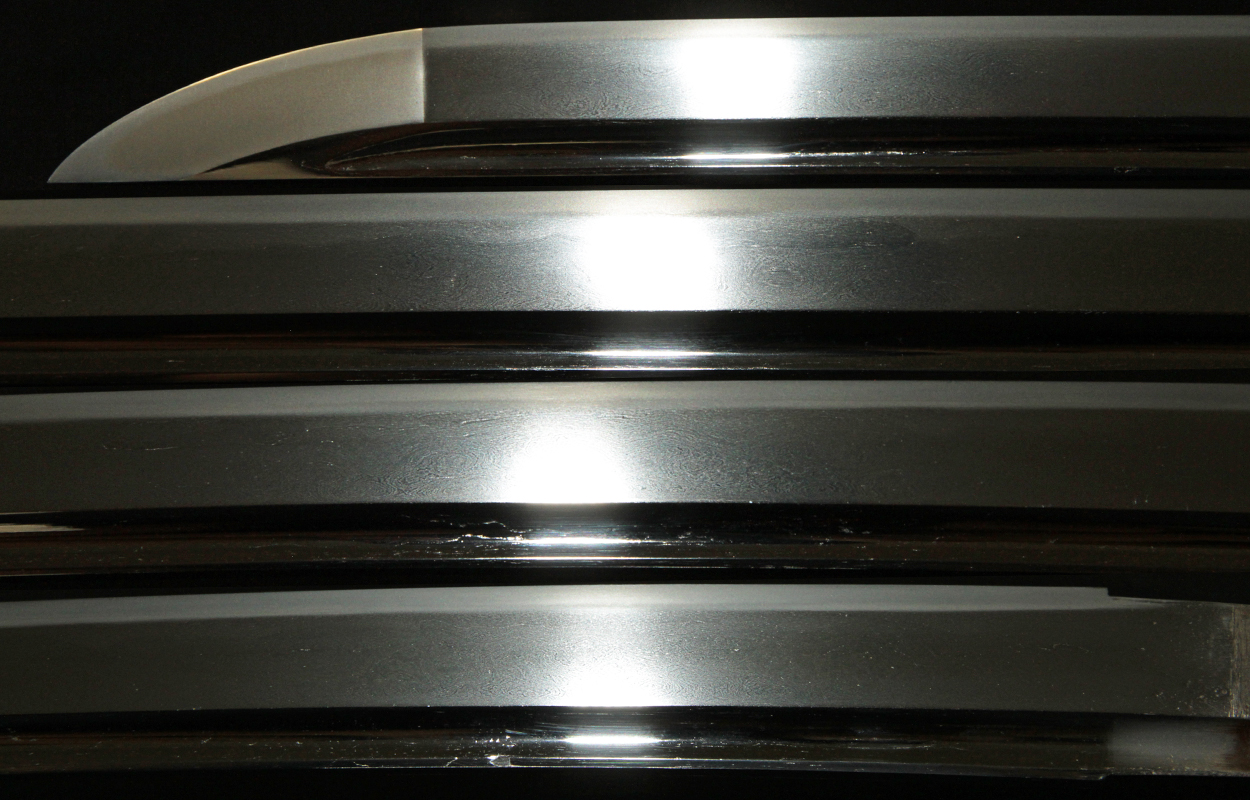
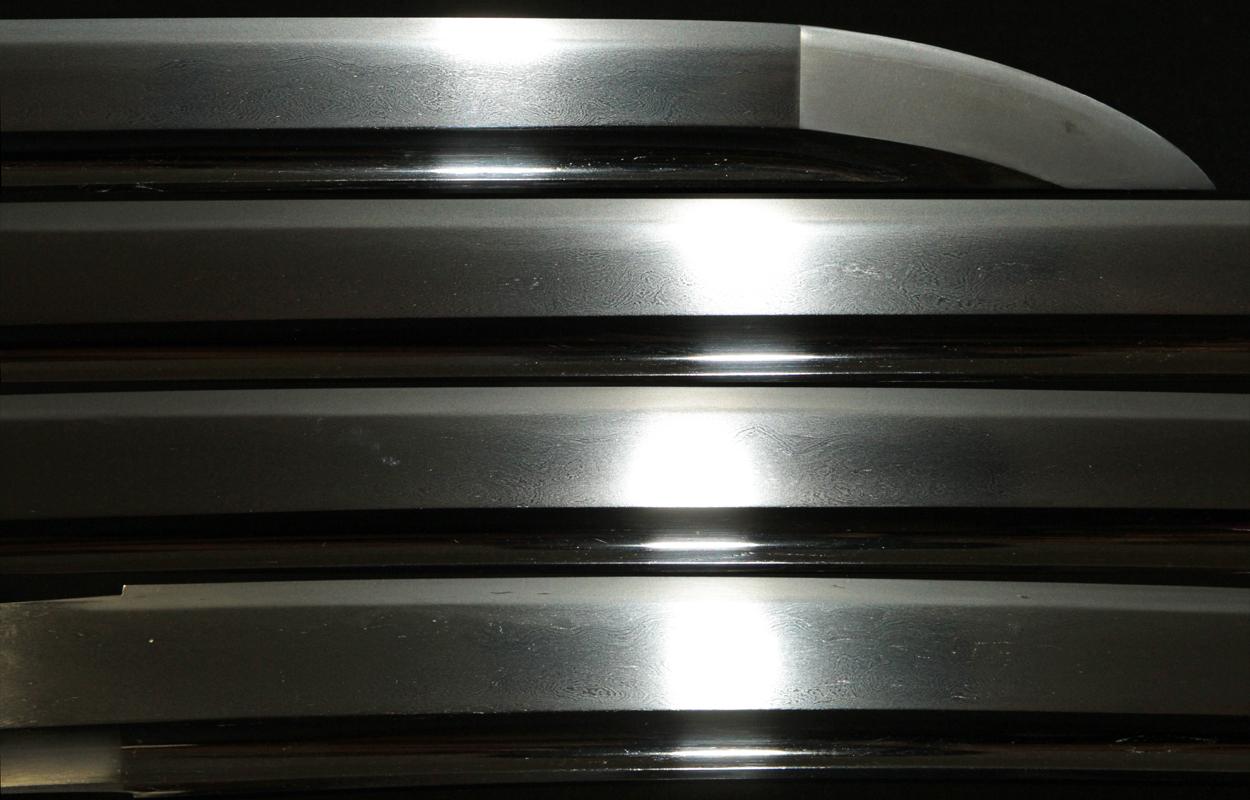
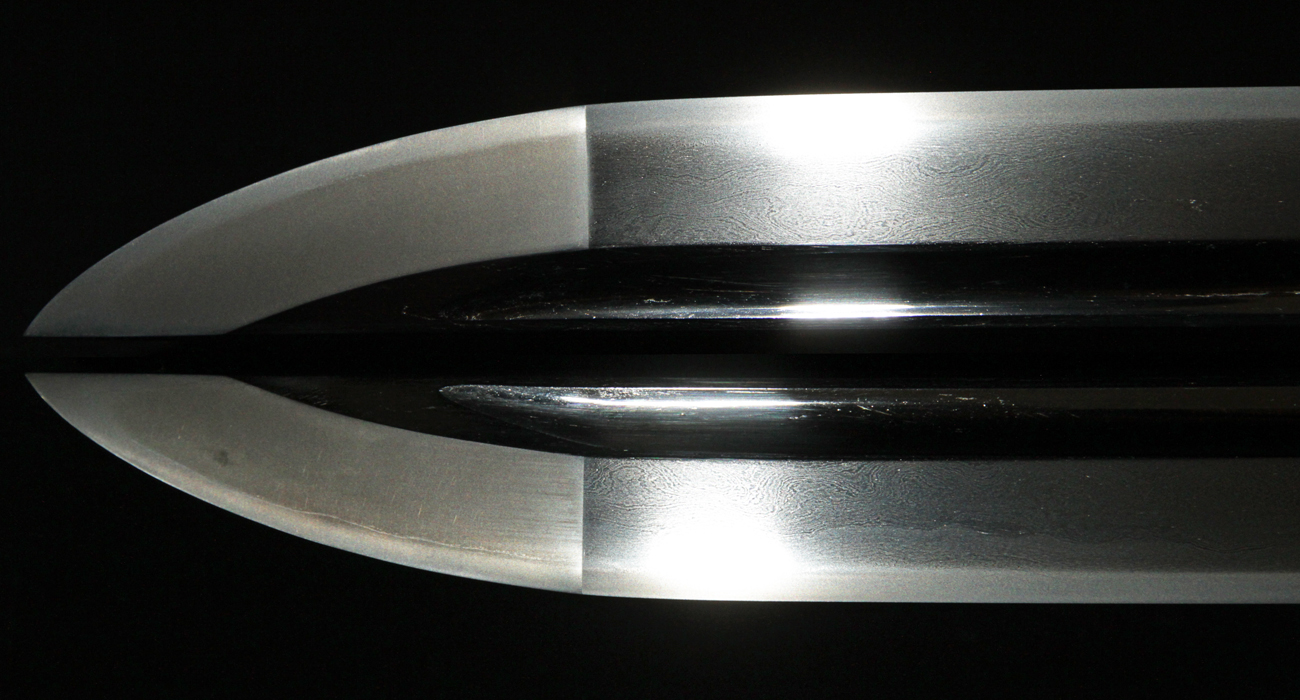
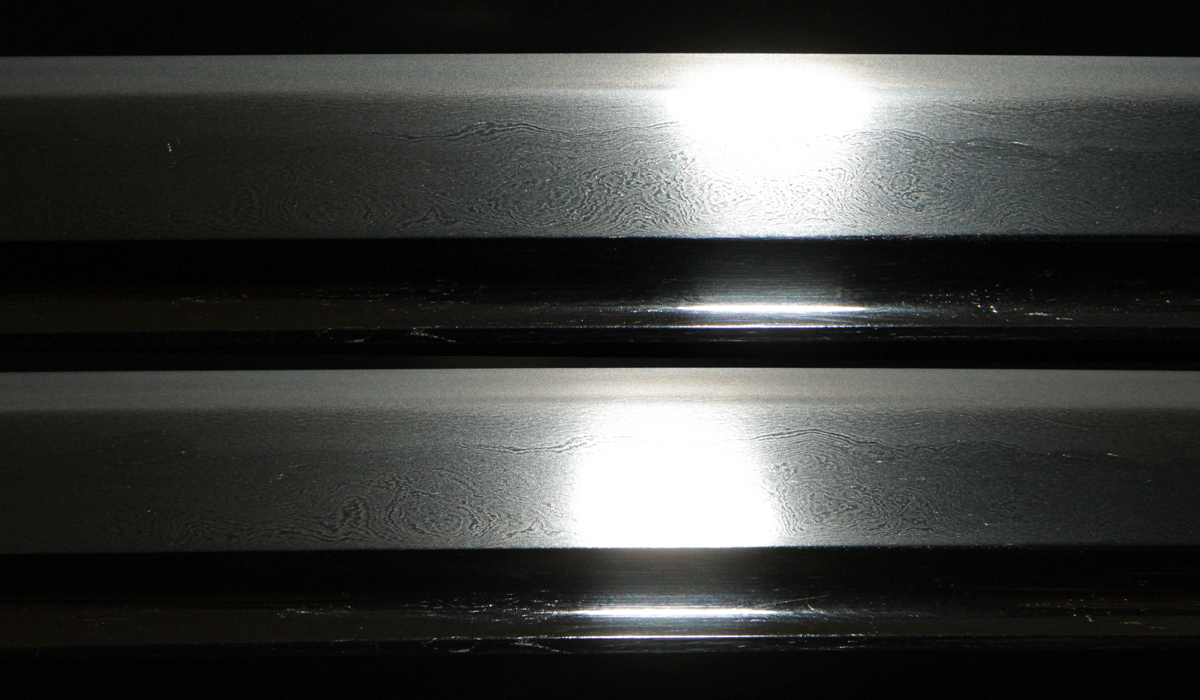
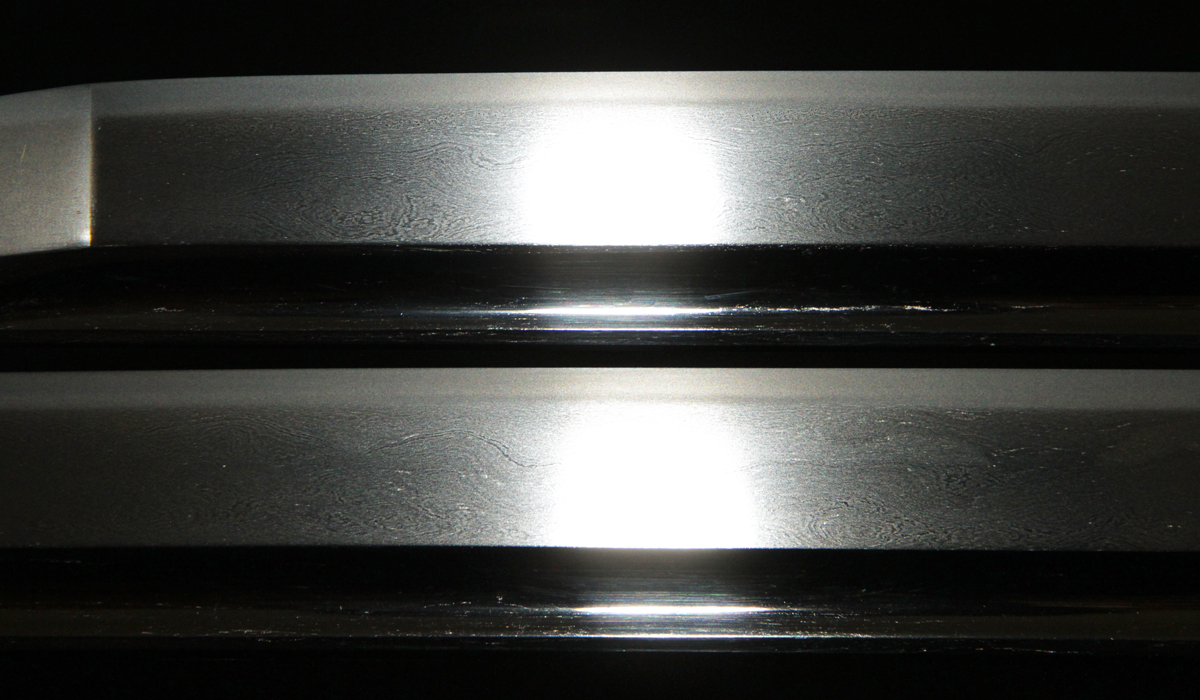
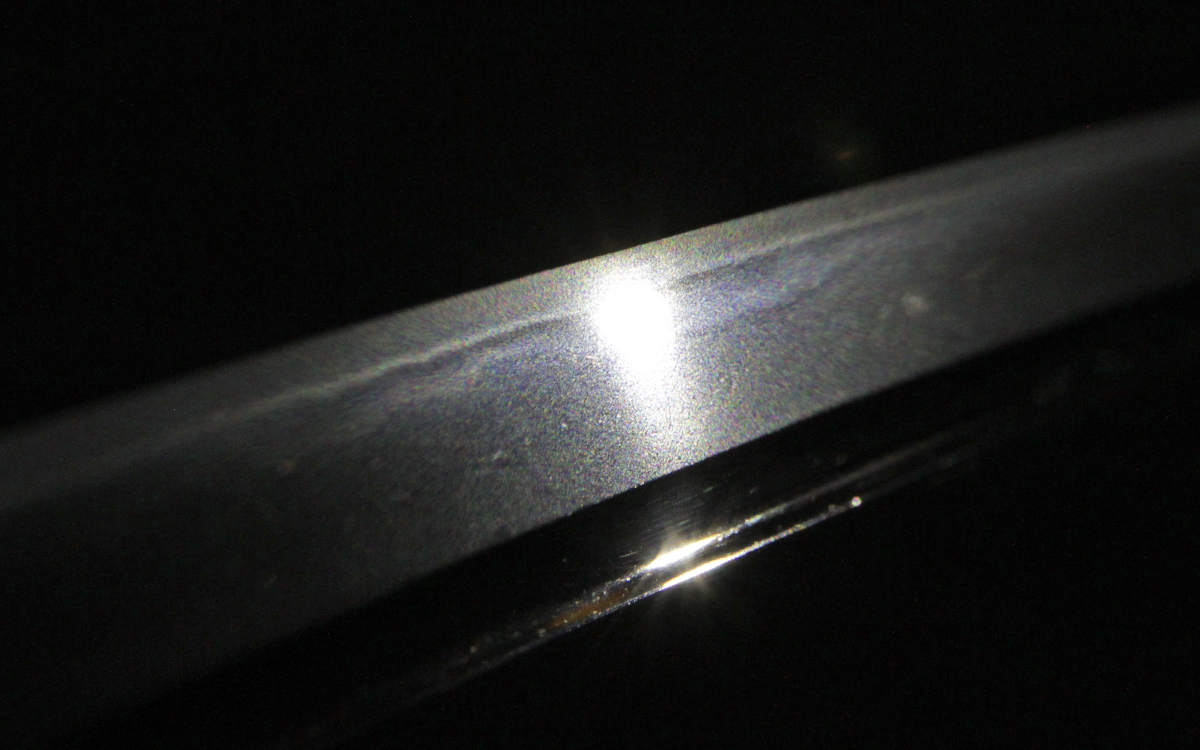
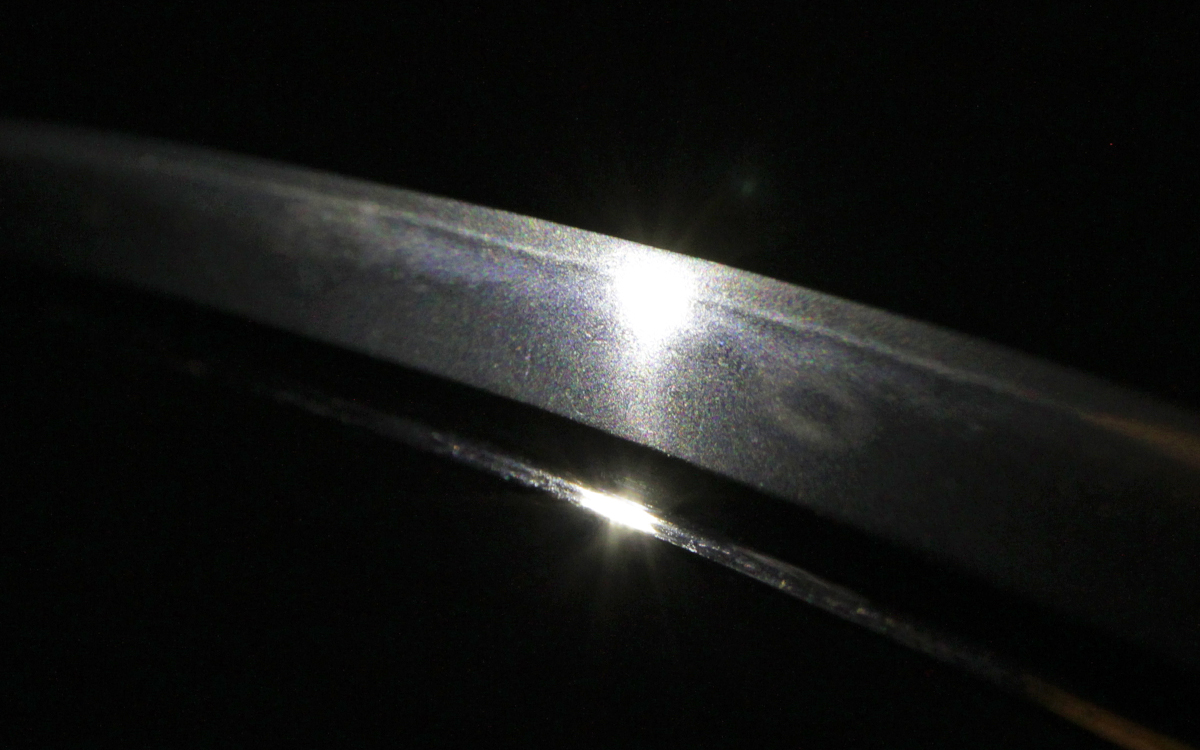
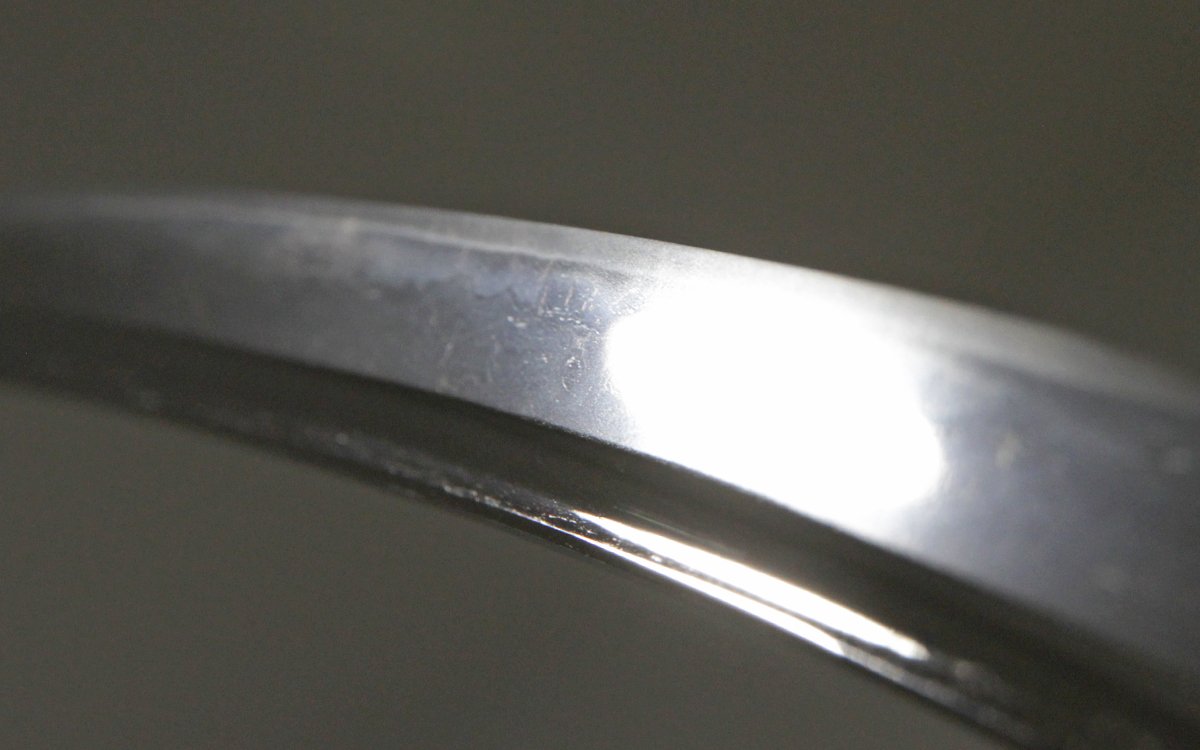
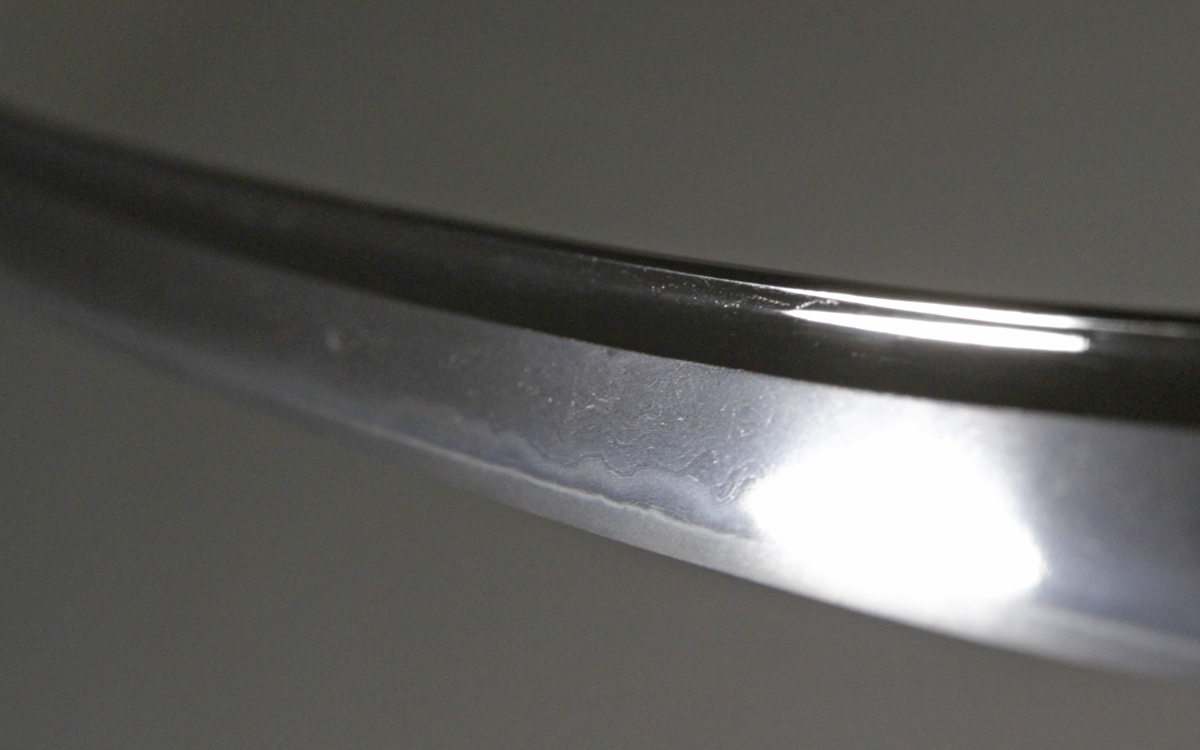
If koto work is what excites you then this piece will not dissapoint, forged during late Kamakura period, roughly 700 years ago. This sword has easily received Tokubetsu level paperwork which translates “Extraordinarily worthy of preservation” which is not an easy level to achieve, it indicates the work and condition is well above average, but as mentioned it was an easy pass considering the condition and quality of forging. The Mihara school prospered during Kamakura period, many works have received Juyo level paperwork, later on the school went in decline so this work was made during the best years of the school. “Ko” signifies early, hence “Ko-Mihara”. The quality of the forging is stunning, with tightly packed folds and a very active hada, polish is in equally good condition. The Nakago remains suriage and Mumei like almost all blades of this era, and has a nice length cutting edge of 69.5cm/ 27.4 inches. The kissaki is in between a Chu-Kissaki and O-Kissaki, so it is nice and long in excellent condition for old works like this. The Hamon is sugu-ha with visible Utsuri which adds a nice dimension to this piece. The set comes with a quality shirasaya (wood sheath) was made to store and protect the blade.
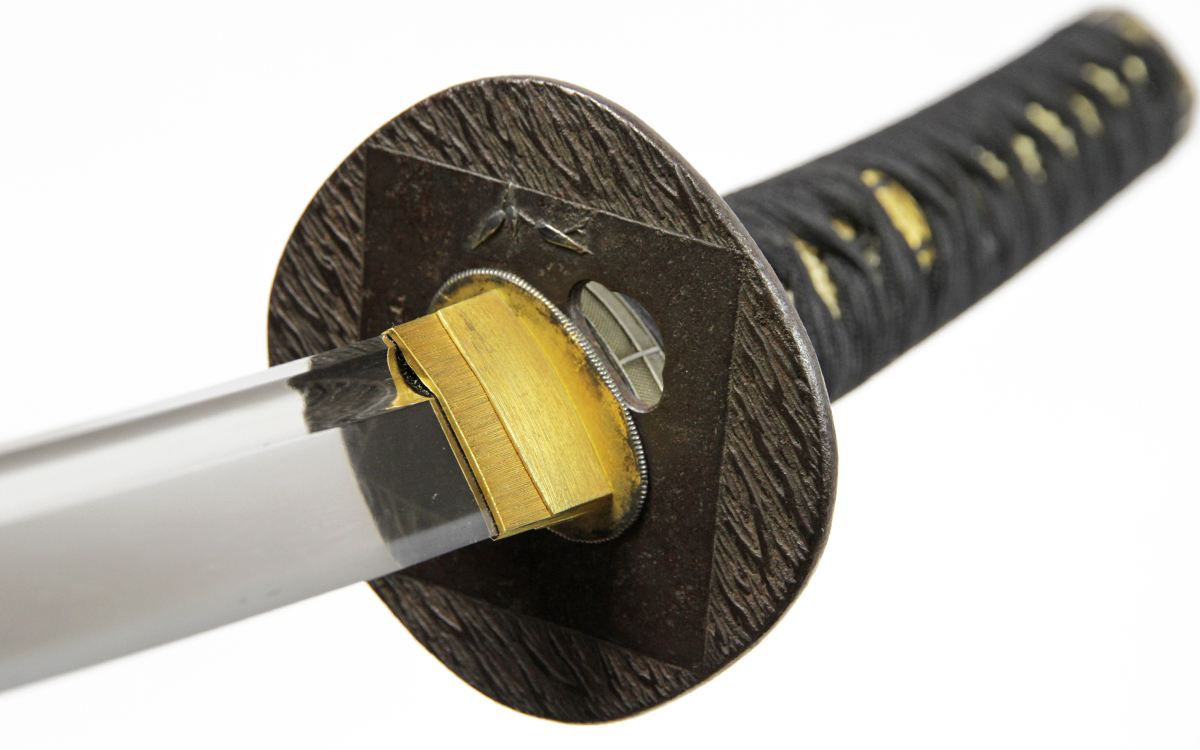
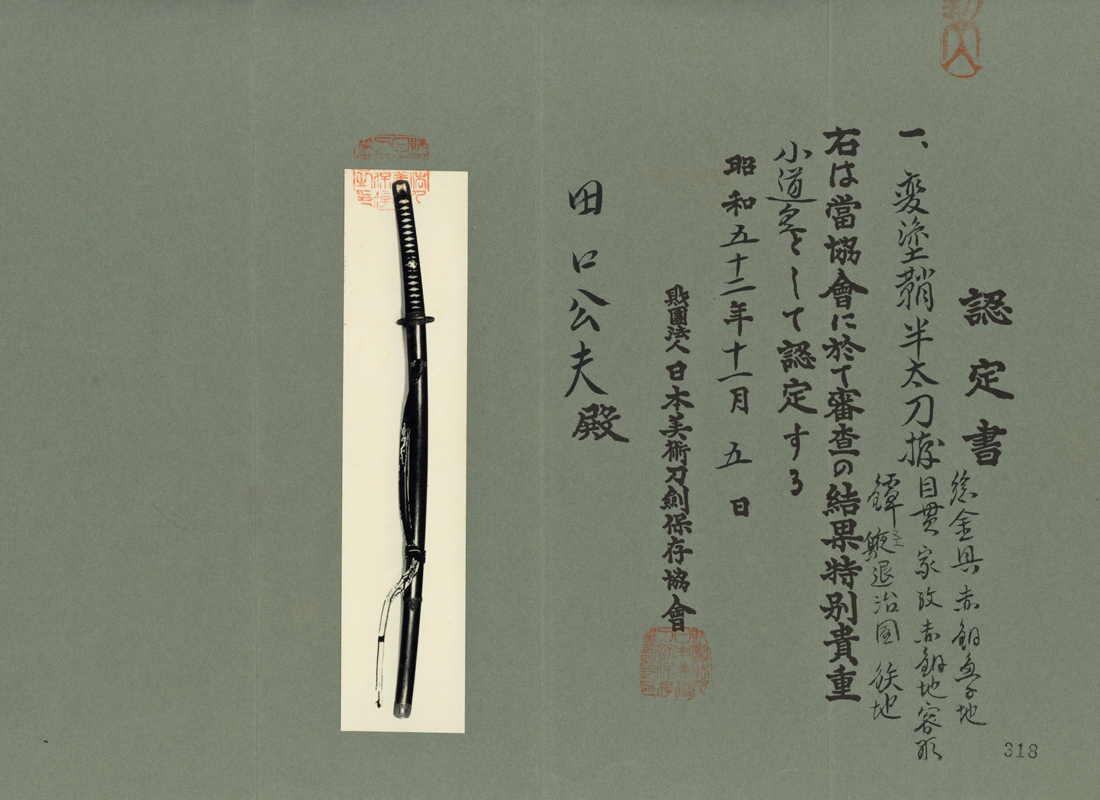
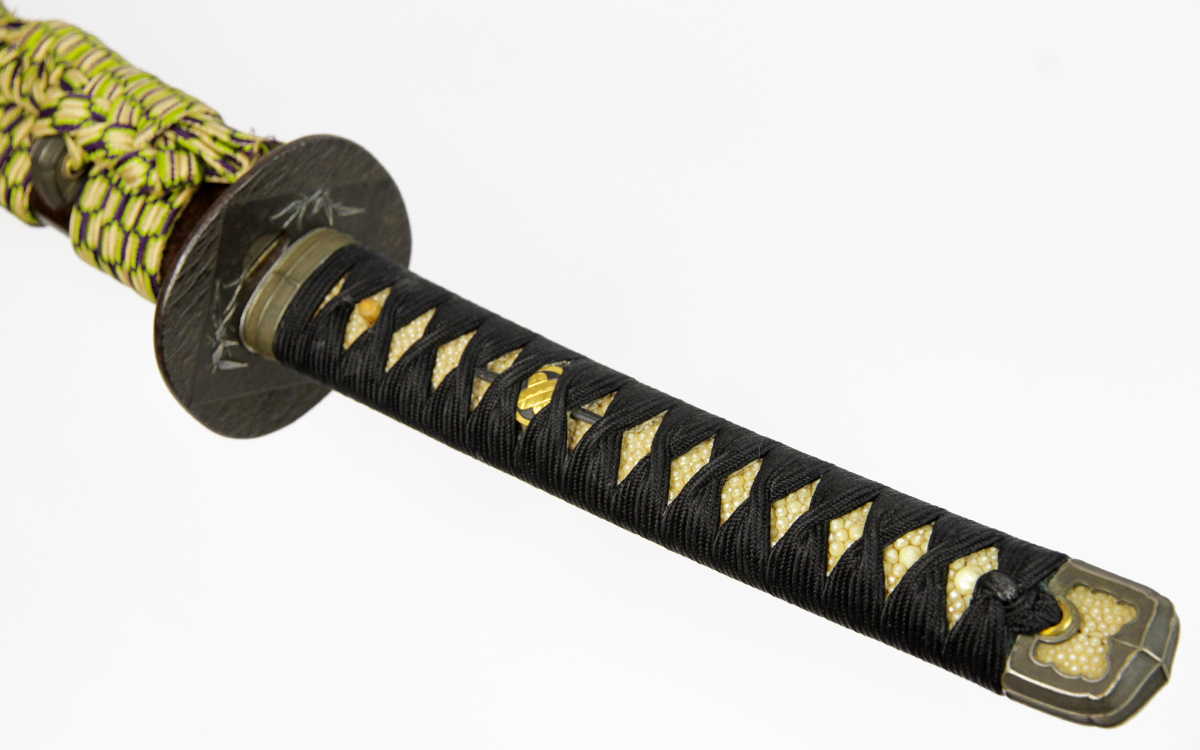
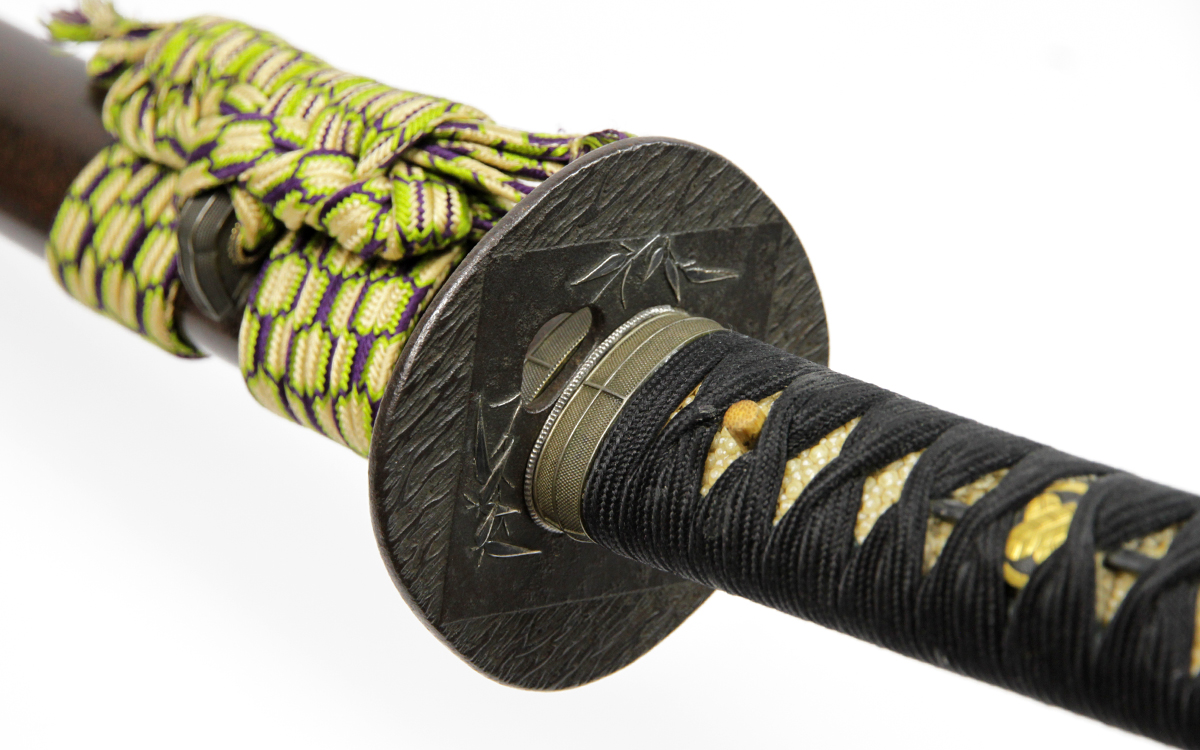
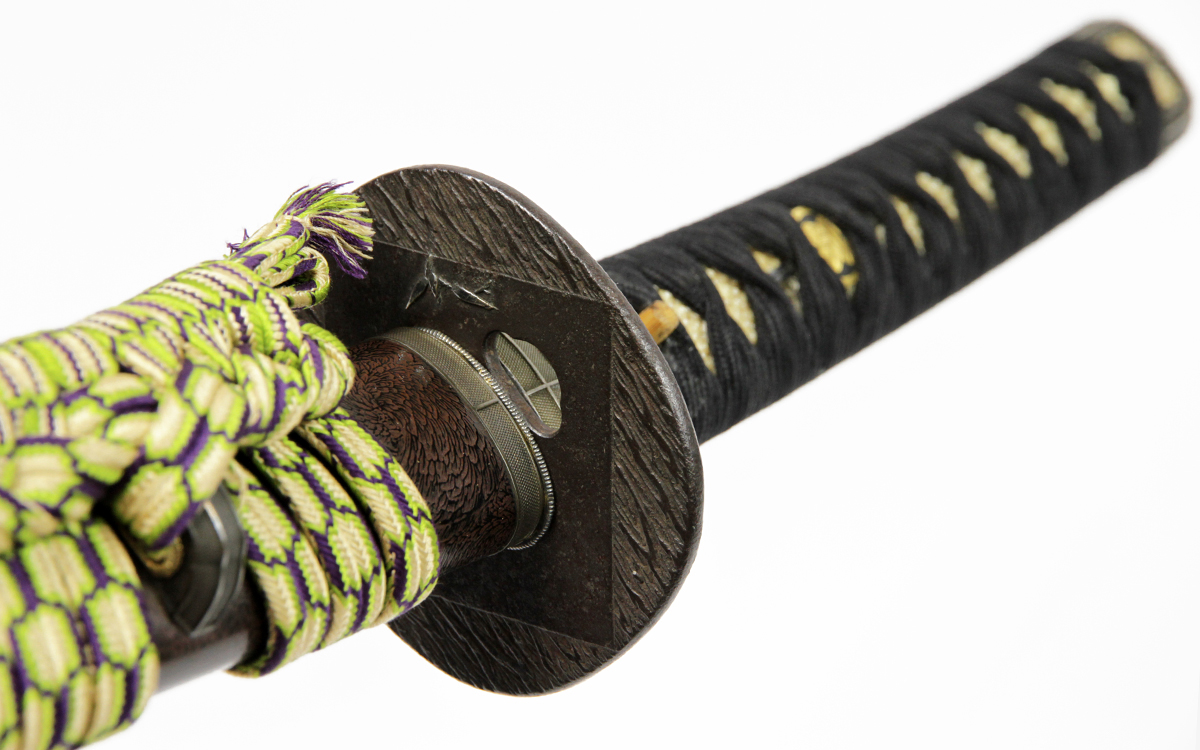
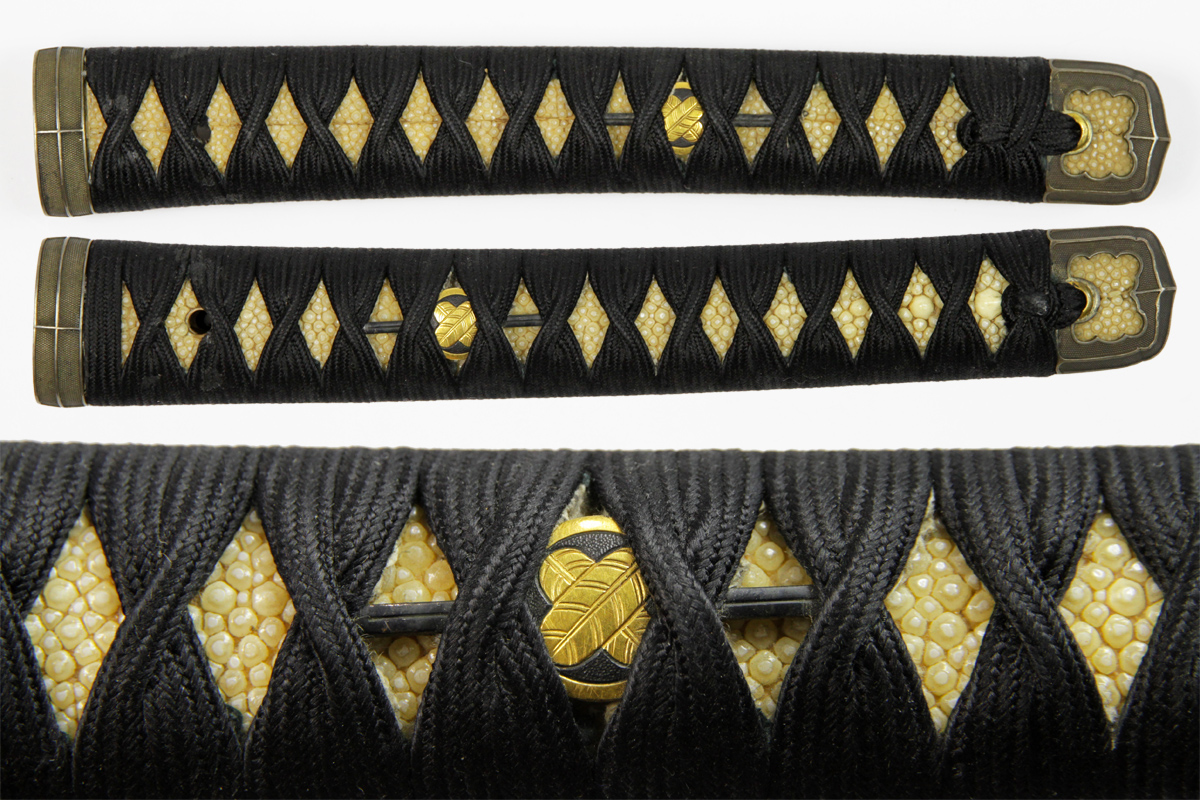
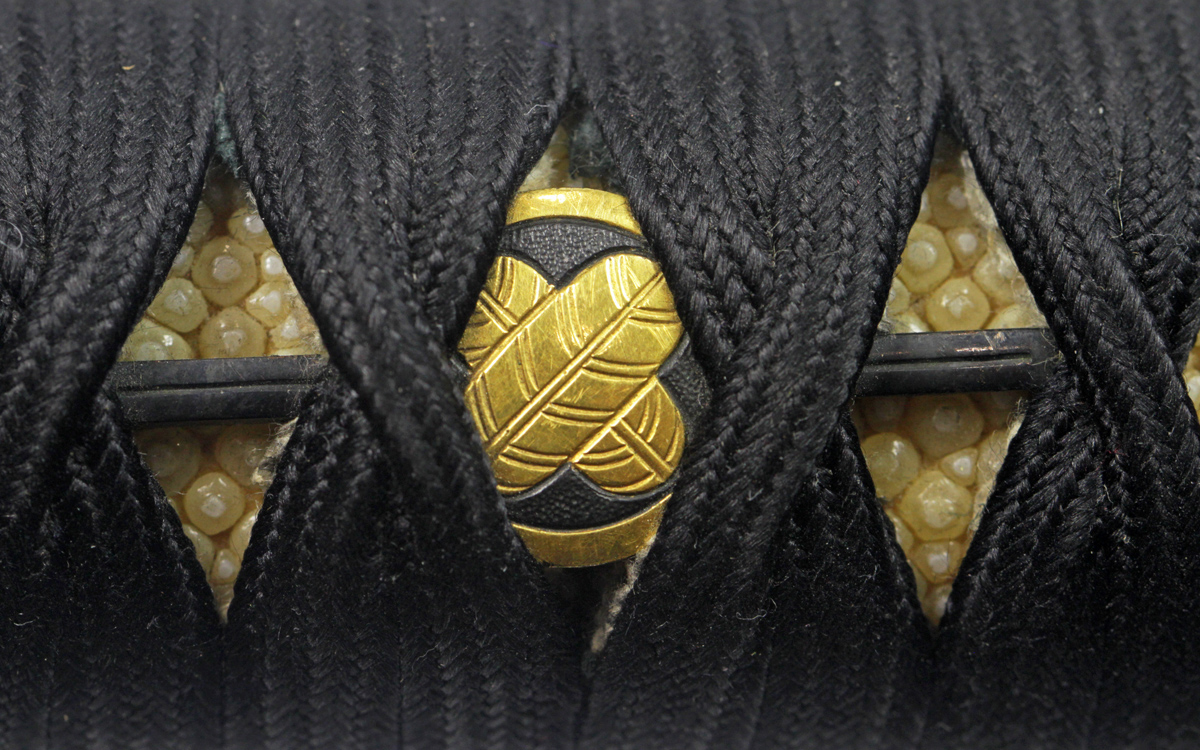
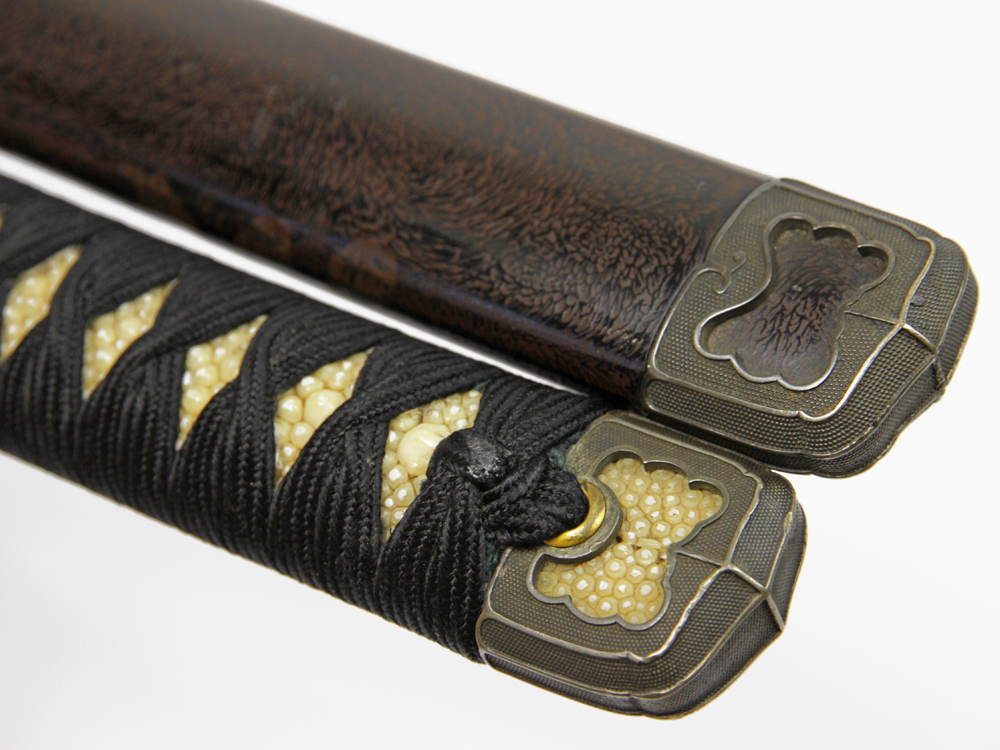
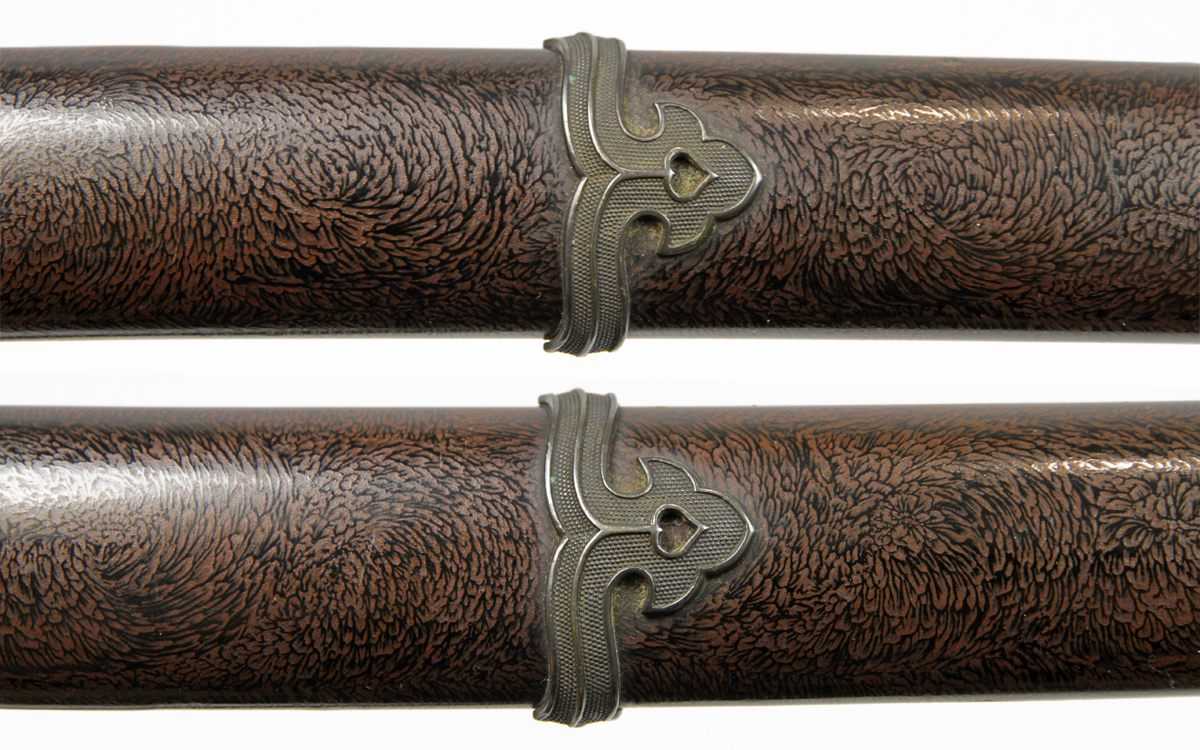
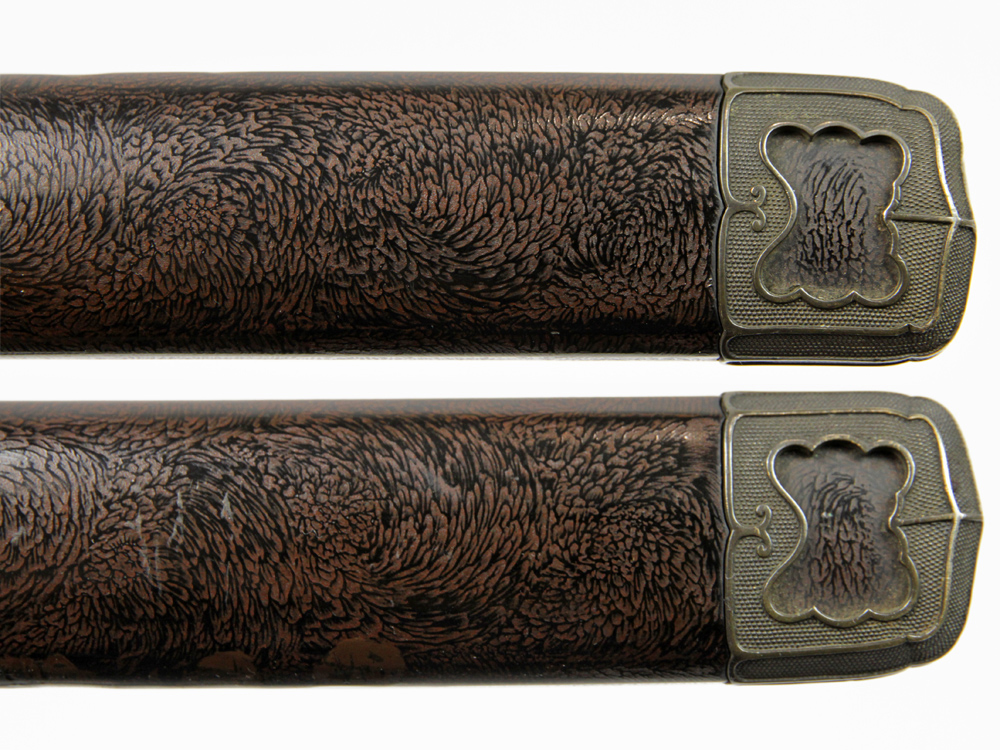
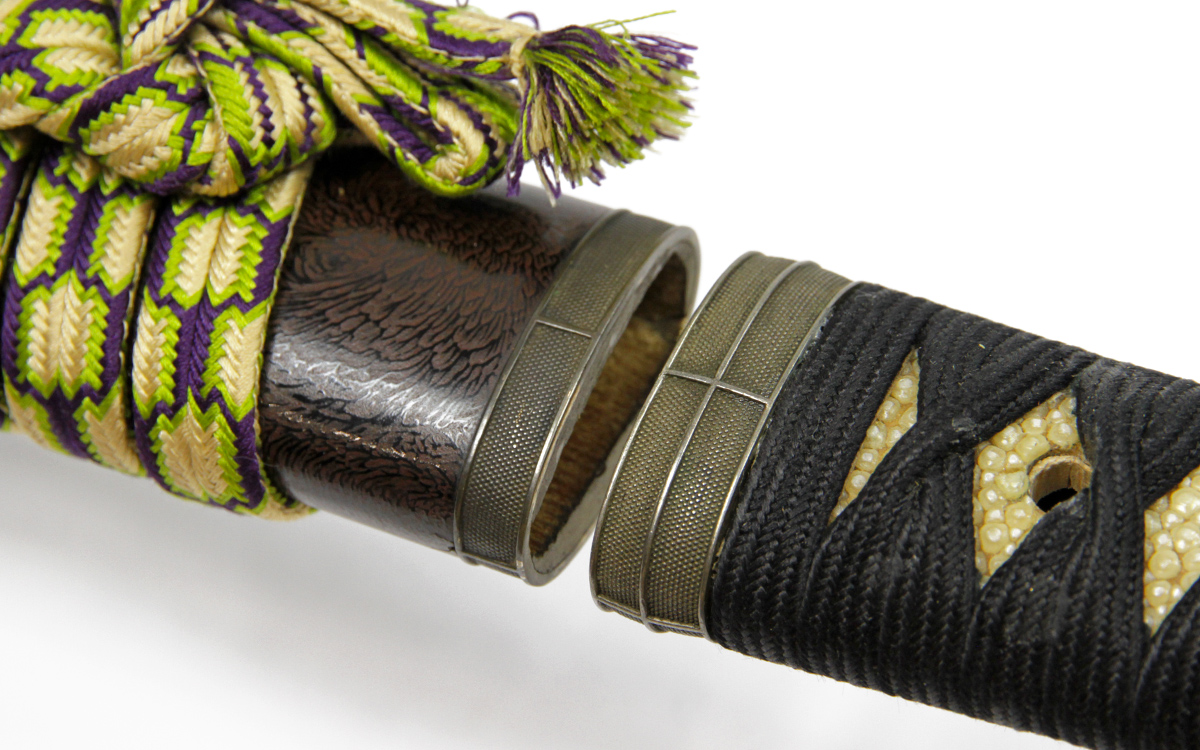
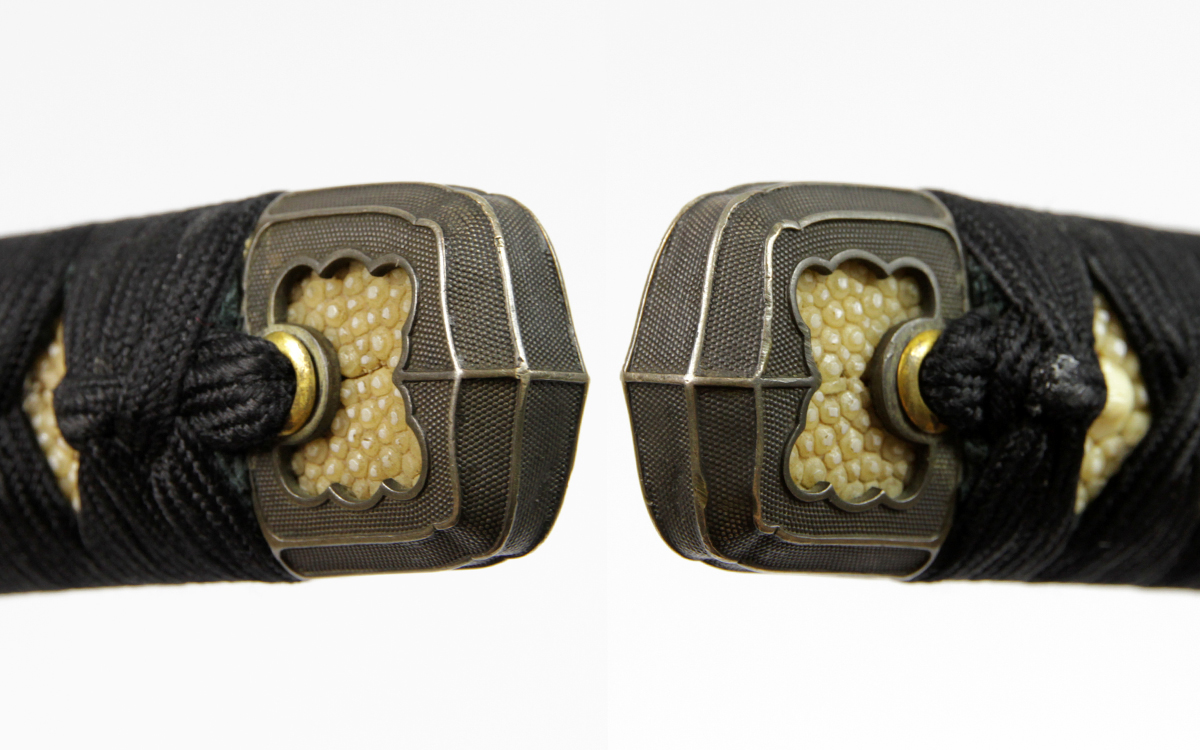
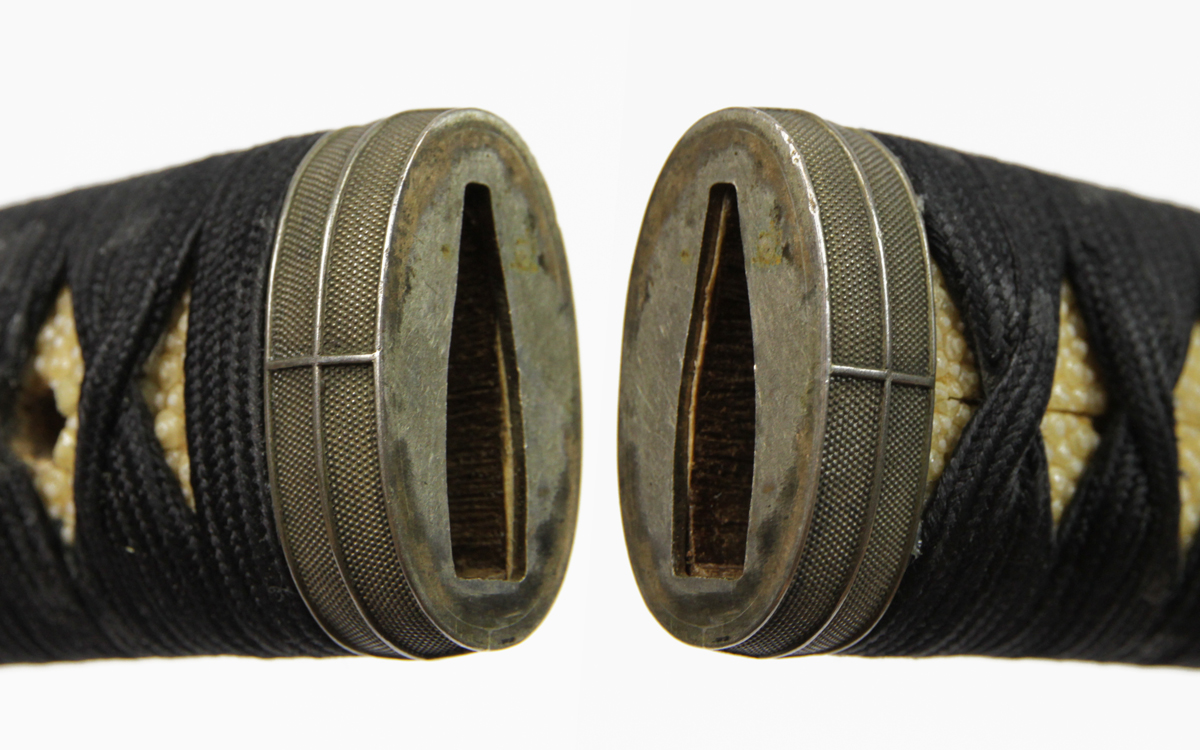
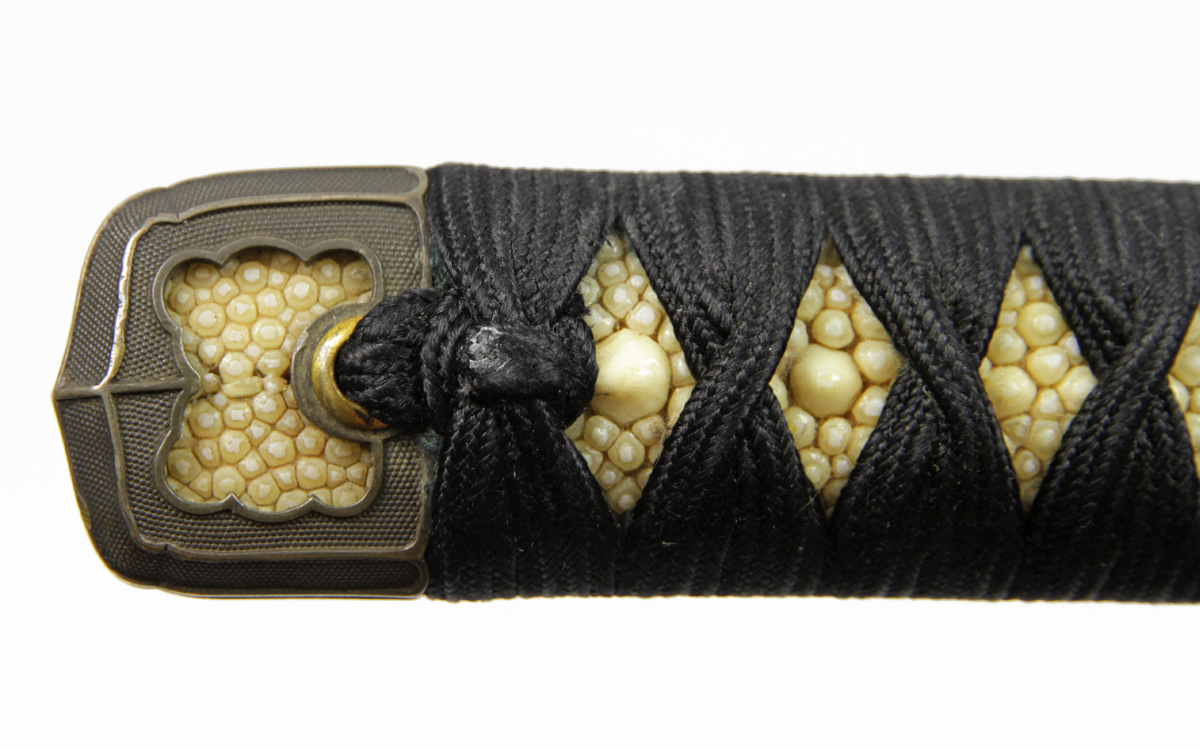
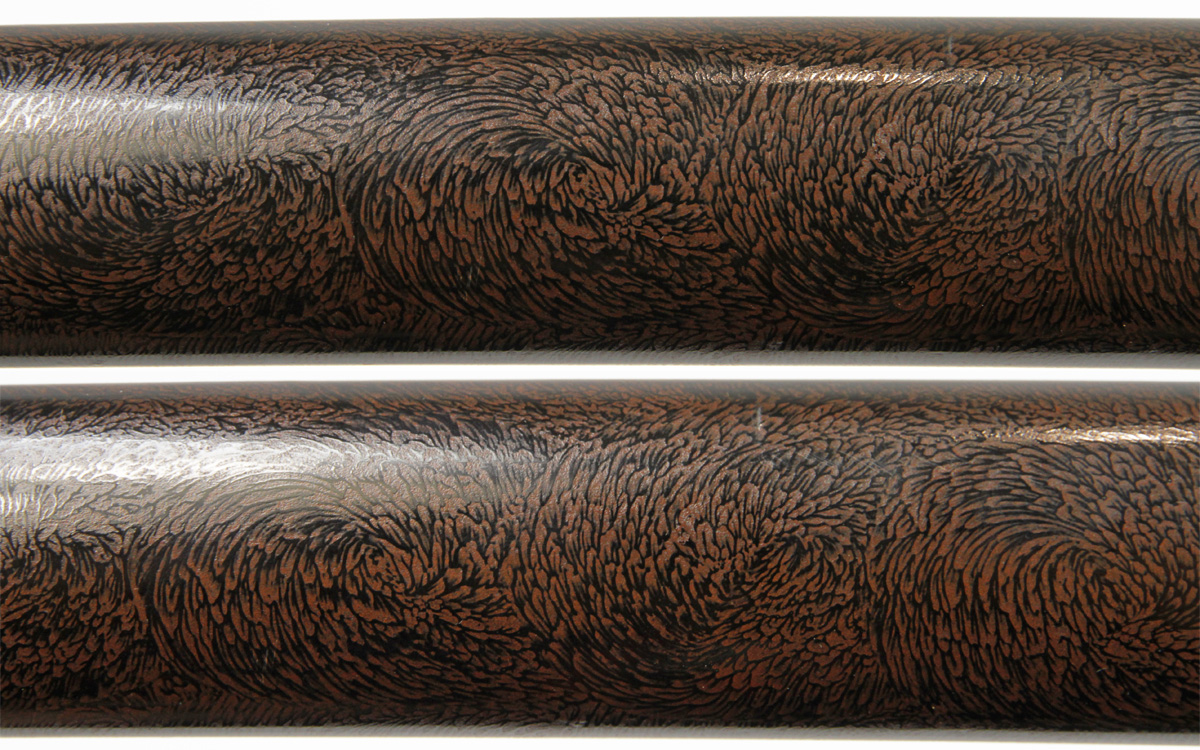
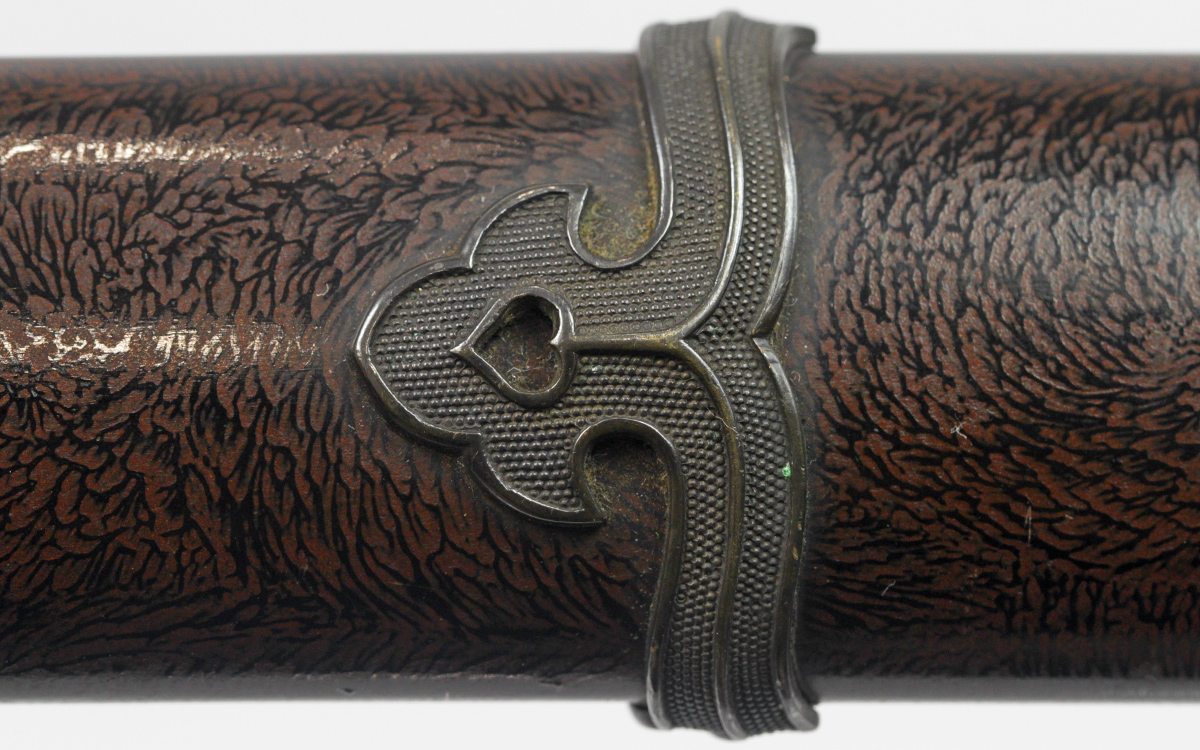
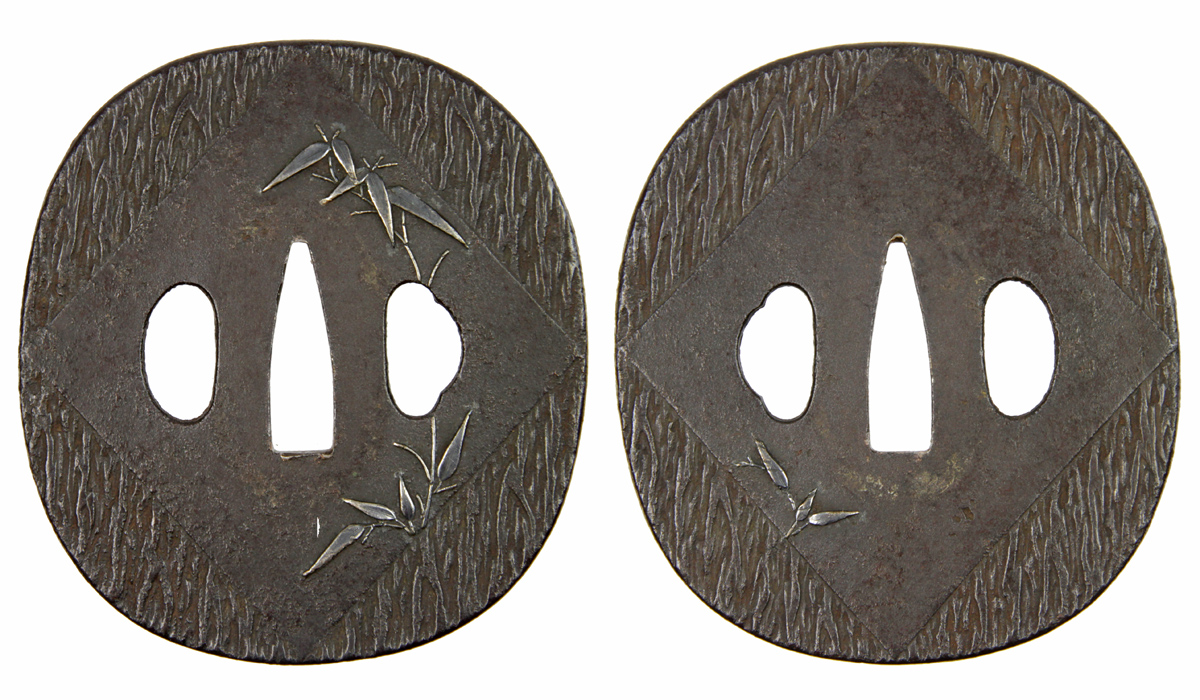
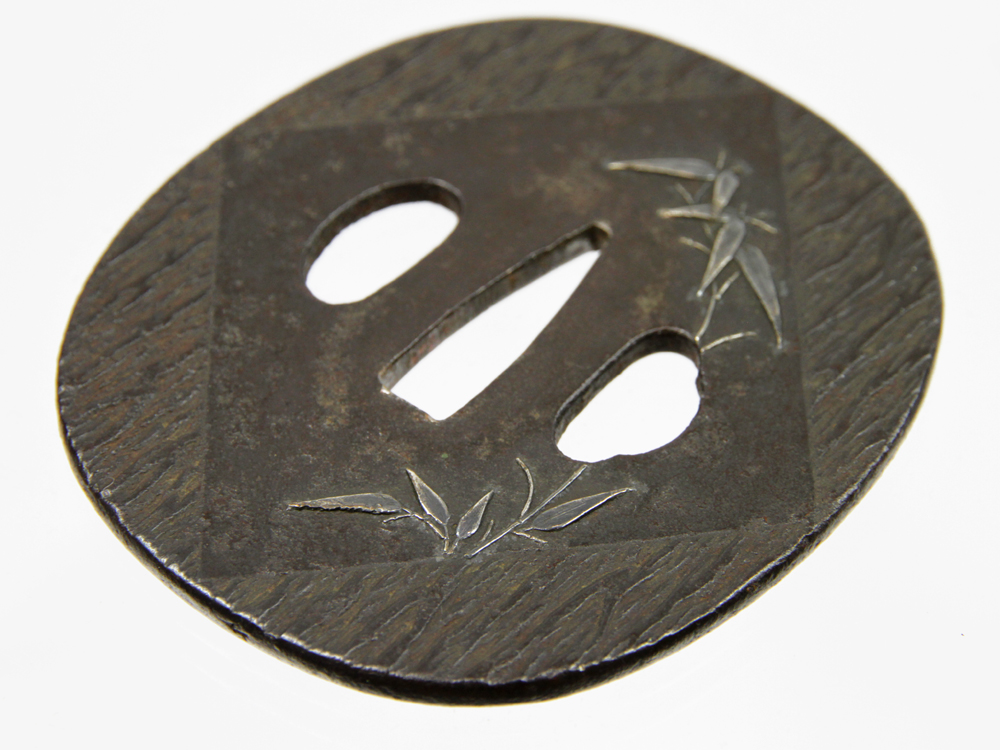
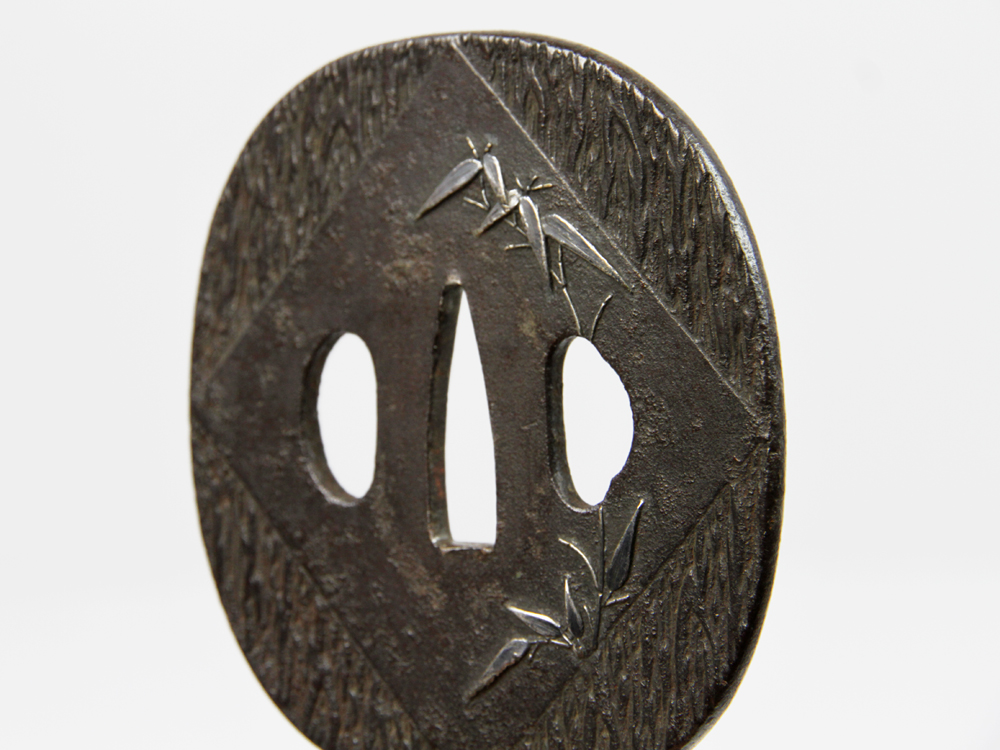
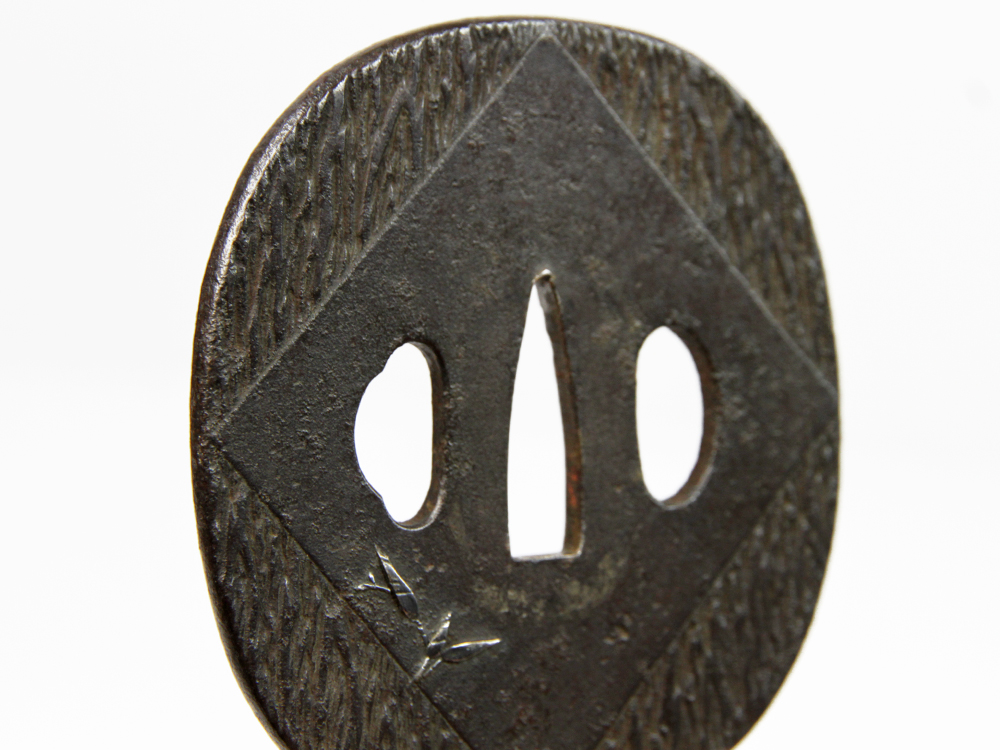
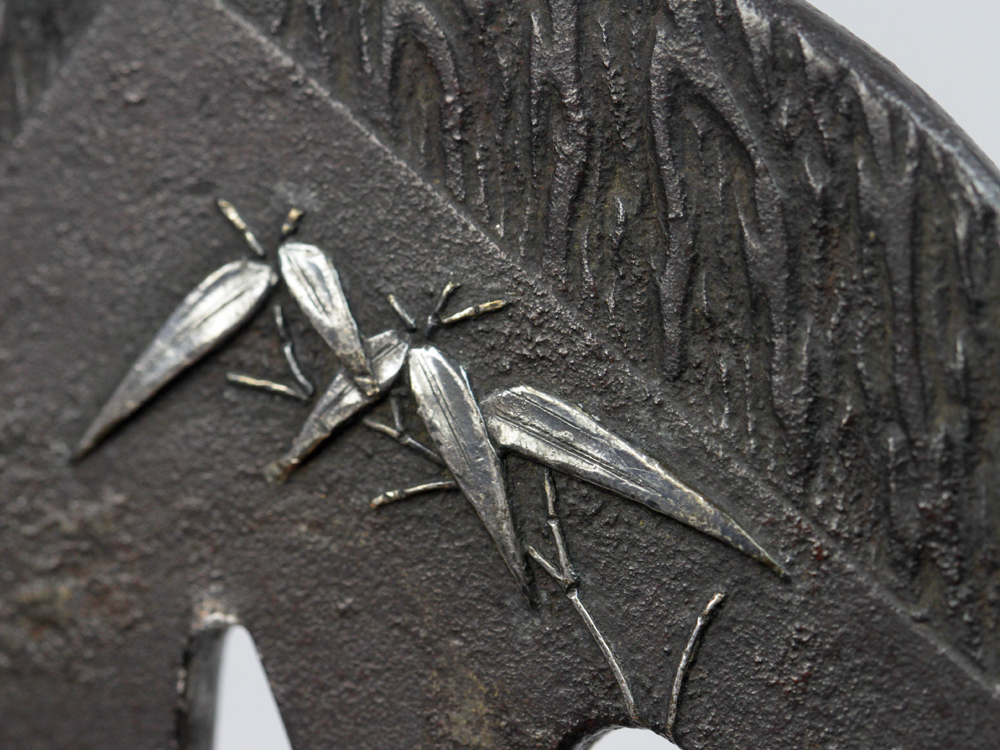
The fittings all date back to Edo period (pre 1869AD), in the style of Handachi Koshirae. The fittings also come with NBTHK Tokubetsu Kicho certification. The lacquer work of the saya is in great condition and really stunning, it is difficult to find such a nice condition these days, and the Menuki on the handle feature the Asano Clan family crest, which are 2 hawk feathers placed criss-cross to each other.


